Sodium dichromate grades used in industrial manufacturing are generally limited to a single technical grade, differentiated mainly by assay purity and by the chloride, sulfate and moisture limits a supplier is willing to guarantee on the certificate of analysis. There is no food, pharmacopeial or cosmetic grade of this material — it is a technical-only, hexavalent chromium oxidizer handled under strict industrial hygiene and transport controls, and buyers qualify it on assay, impurity profile and documentation rather than on a tiered grade system.
What Is Sodium Dichromate?
Sodium dichromate (Na2Cr2O7, CAS 10588-01-9, also supplied as the dihydrate Na2Cr2O7·2H2O, CAS 7789-12-0) is a water-soluble, strongly oxidizing salt of hexavalent chromium. It is manufactured from chromite ore via alkaline roasting and is used almost exclusively as a chemical intermediate — either consumed directly as an oxidizer or converted downstream into other chromium chemicals such as chromic acid, chromium oxide pigments, basic chromium sulfate for tanning, and various chromate and dichromate salts. It is not a consumer-facing ingredient; every link in its supply chain is an industrial or institutional buyer with the handling infrastructure to manage an oxidizing, corrosive, Category 1 carcinogen material.
Sodium Dichromate Grades and Typical Specifications
Because the material is single-purpose, "grade" in practice means assay tier and impurity ceiling rather than a food/technical split. The table below summarizes how suppliers commonly differentiate lots.
| Parameter | Anhydrous technical grade | Dihydrate technical grade |
|---|---|---|
| Na2Cr2O7 assay | ≥99.0% | ≥98.0% (on dihydrate basis) |
| Chloride (as Cl) | Typically ≤0.1% | Typically ≤0.1% |
| Sulfate (as SO4) | Typically ≤0.2% | Typically ≤0.2% |
| Moisture / water of crystallization | <1% free moisture | Fixed as dihydrate (~28-29% water) |
| Appearance | Orange-red crystalline solid or flake | Orange-red crystals, slightly deliquescent |
Suppliers may also report insoluble matter and heavy-metal trace limits where the downstream process (e.g., pigment manufacture) is sensitive to them. There is no recognized FCC, USP or E-number designation for sodium dichromate, since it has no food, pharmaceutical or cosmetic application — any marketing of a "food grade" or "pharma grade" claim for this material should be treated as a red flag rather than a genuine specification tier.
Physical Form, Packaging and Transport
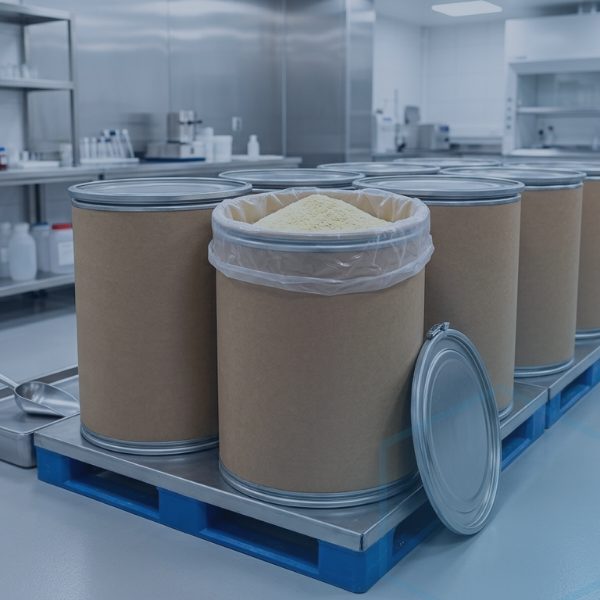
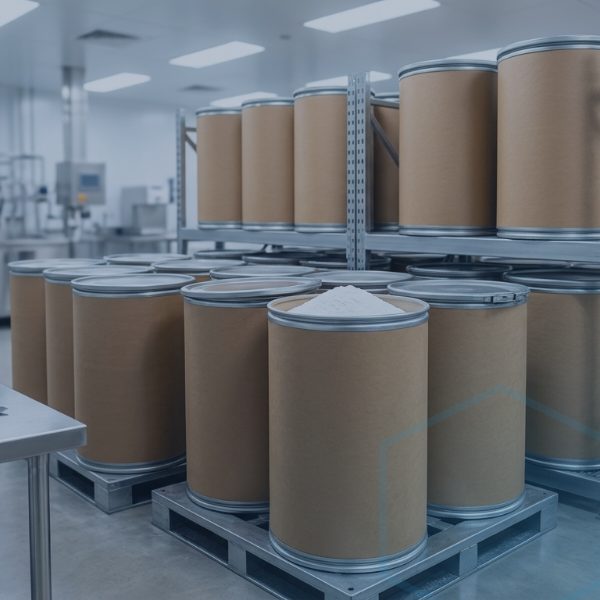
Sodium dichromate is supplied as crystalline flake, granular solid, or fused "cast" form, packed in fiber or steel drums (typically 25 kg or 50 kg net) with a polyethylene liner to control moisture pickup, since the dihydrate form is mildly hygroscopic and anhydrous material will slowly absorb atmospheric moisture if the liner is breached. Larger industrial consumers may take bulk bags or bulk solid in lined steel drums on pallets; aqueous solutions, where offered, move in drums or IBCs rated for oxidizing, corrosive contents. All packaging and shipping is governed by dangerous goods regulations — the material is classified as an oxidizer (Class 5.1) with a secondary corrosive/toxic hazard, and shipping documentation, UN packaging certification and placarding are non-negotiable parts of every order, not optional add-ons.
Industrial Applications Across Manufacturing
Sodium dichromate's core function is as a strong, water-soluble source of hexavalent chromium, which makes it useful wherever a controlled oxidation or a chromium-donor reaction is required:
- Chromium chemicals manufacturing — the primary feedstock for chromic acid, chromium oxide green pigment, basic chromium sulfate and other chromium salts used in downstream processes.
- Leather tanning intermediates — converted to chromium sulfate tanning agents that fix collagen fibers in chrome-tanned leather.
- Metal finishing and corrosion inhibition — used in formulating chromate conversion coatings and corrosion-inhibiting treatments for aluminum and steel substrates.
- Wood preservation formulations — a component of certain chromated preservative systems used in industrial wood treatment.
- Catalysis and laboratory oxidation chemistry — an oxidizing agent in specific organic synthesis and analytical procedures.
In every case, the manufacturer's process engineering — reaction temperature, pH control during reduction steps, and effluent treatment for residual chromium — is where formulation knowledge, not the raw material grade, determines yield and consistency.
Handling, Storage and Safety Considerations
Sodium dichromate is a strong oxidizer and a recognized human carcinogen in its hexavalent form, so handling protocol is the single most important technical dimension of working with this material. Store in a cool, dry, well-ventilated area, away from combustibles, reducing agents, organic materials and acids, in original closed packaging on a bunded floor to contain any spill. Dedicated PPE — chemical-resistant gloves, goggles or face shield, and respiratory protection appropriate to local exposure limits — is standard for any operator handling open containers, and engineering controls (local exhaust ventilation, closed transfer systems) are the preferred long-term control over PPE alone. Process water and washdown containing chromium must be segregated and sent to a permitted treatment system; hexavalent chromium reduction and precipitation before discharge is a standard downstream treatment step, not an optional extra. Facilities handling this material should maintain a site-specific risk assessment, exposure monitoring records and a documented emergency response procedure for spills.
QA Documentation to Request From Suppliers
Before qualifying a lot or a supplier, buyers should request: a current Certificate of Analysis confirming assay, chloride, sulfate and moisture against the agreed specification; a Safety Data Sheet in the destination market's required format; lot and batch traceability back to the manufacturing site; and dangerous-goods shipping documentation (UN number, packing group, placarding) for every shipment. For regulated end uses — tanning, metal finishing, wood treatment — buyers should also confirm the supplier can support any destination-market restrictions on hexavalent chromium content in finished goods, since several jurisdictions cap chromium VI levels in consumer and export products.
FAQ
What grades of sodium dichromate are available for industrial buyers?
There is a single technical-grade tier, typically supplied as anhydrous (≥99.0% assay) or dihydrate (≥98.0% on a dihydrate basis) crystalline material, differentiated by chloride, sulfate and moisture limits rather than by a food or pharma grade system, since none exists for this chemical.
How should sodium dichromate be stored on site?
In a cool, dry, well-ventilated, bunded area away from combustibles, organics and reducing agents, in its original sealed packaging, with access limited to trained personnel using appropriate PPE and under a documented handling procedure.
What documentation should I request before buying sodium dichromate?
A Certificate of Analysis against your agreed specification, a current Safety Data Sheet, lot traceability to the manufacturing site, and complete dangerous-goods shipping documentation for the mode of transport used.
How we grow with you
Sodium dichromate is a material where consistency of supply and documentation matters as much as the chemistry itself — a single missed shipment can stall a tanning, metal-finishing or chromium chemicals production line for weeks. Regional stocking means your production schedule is not hostage to a single long-haul shipment, with technical-grade lots available at the assay and impurity tier your process requires, and full dangerous-goods documentation prepared ahead of dispatch rather than chased after the fact. Where your volumes justify it, a vendor-managed inventory arrangement can carry the buffer stock on our side of the ledger, so your team can plan production against a reliable call-off schedule instead of a shipping estimate.