



Dietary supplements add to the diet rather than replace food, and the formulation starts with the raw material: a defined vitamin, mineral or amino acid, in a grade and particle size that suits the finished format.
DIC supplies that raw material layer. We describe ingredient function and specification; claims about what a finished supplement does are the manufacturer’s to make and the regulator’s to approve.
What we supply
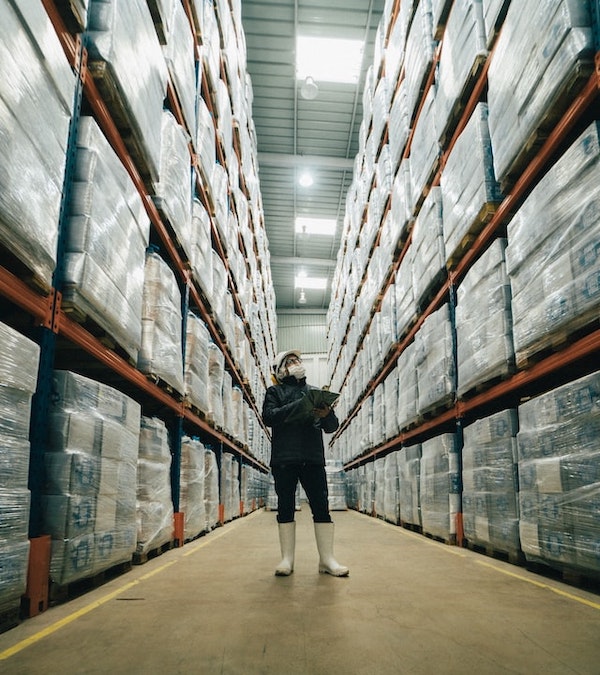
A broad vitamin range (B-complex, D3, E, biotin, folic acid), mineral salts (calcium, magnesium, zinc), and amino acids including lysine, threonine and methionine — with pharma-grade material held in the isolated warehouse and released against a COA.
What we supply
Vitamin B1 (Thiamine Hydrochloride)Vitamin B2 (Riboflavin)Vitamin B3 (Nicotinamide)Vitamin B6 (Pyridoxine Hydrochloride)Vitamin B12 (Cyanocobalamin)Vitamin D3 (Cholecalciferol)Vitamin E 50% CWSD-BiotinFolic AcidCalcium GluconateMagnesium OxideZinc OxideL-Lysine HClL-ThreonineDL-Methionine
Vitamins & minerals Micronutrients — used by the body in very small amounts across many metabolic processes. They carry no energy themselves; they take part in the processes that release energy from carbohydrate, protein and fat.
Amino acids The building blocks of proteins. Nine are essential — phenylalanine, valine, threonine, tryptophan, methionine, leucine, isoleucine, lysine and histidine — and we stock several of them in supplement grade.
Substrates for fermentation Microorganisms used in fermentation are themselves fed on vitamins, minerals and defined compounds. Fermentation shifts a food's nutritional content, and the substrate is what steers it.
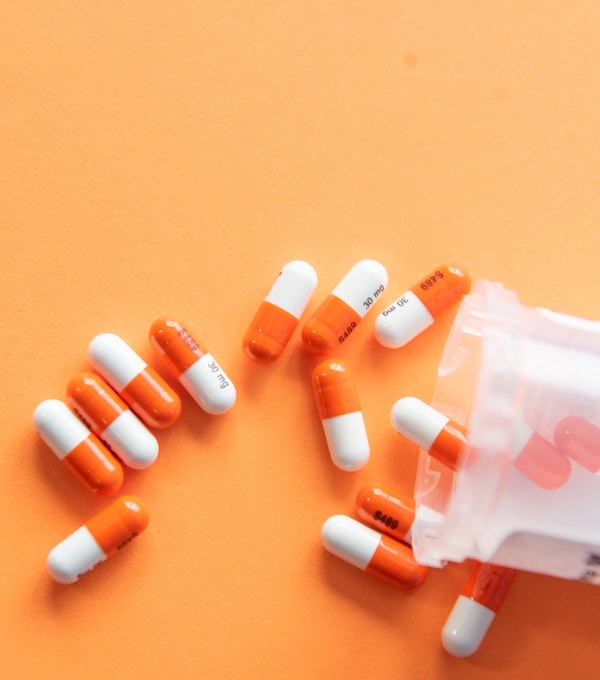
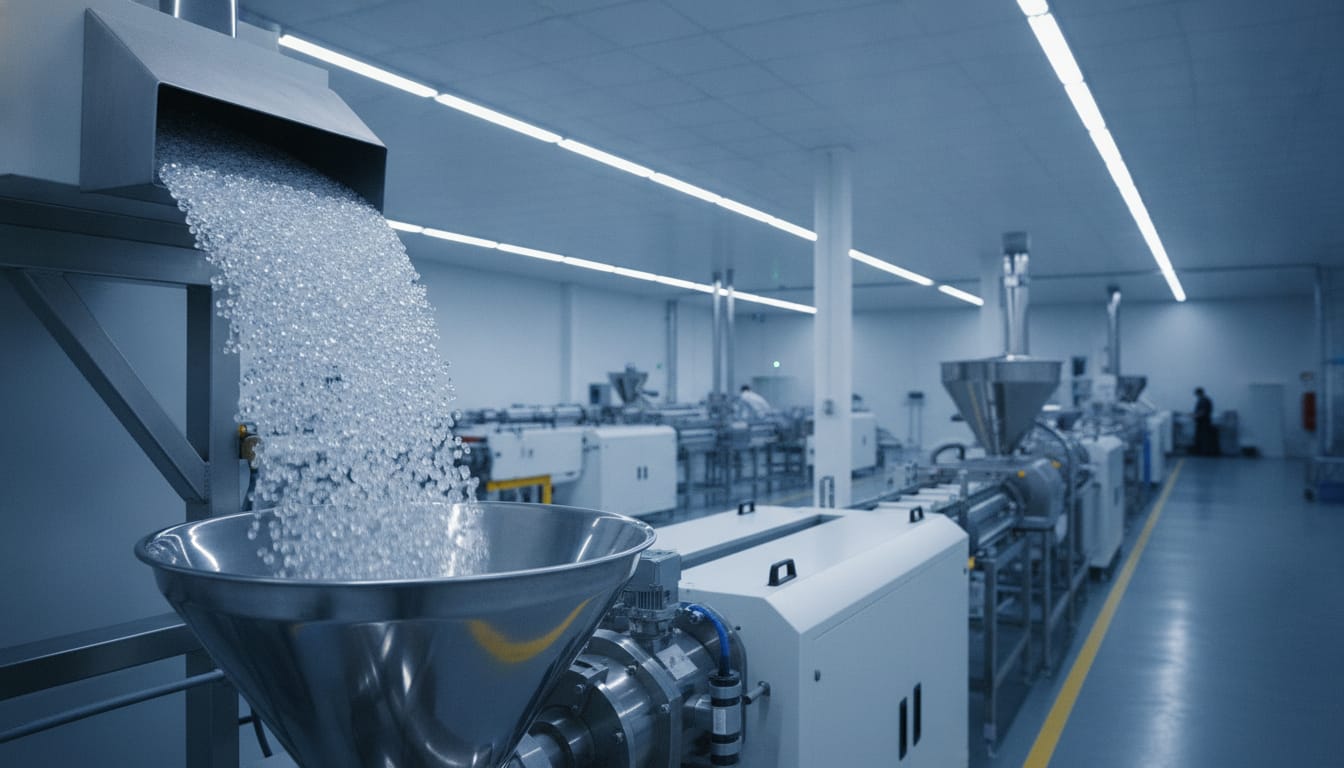
Format follows formulation Supplements are made as tablets, capsules, soft gels, powders, bars, gummies and liquids. Particle size, solubility and carrier decide which raw material grade suits which format.
Also used in