
Built hub by hub, not all at once.
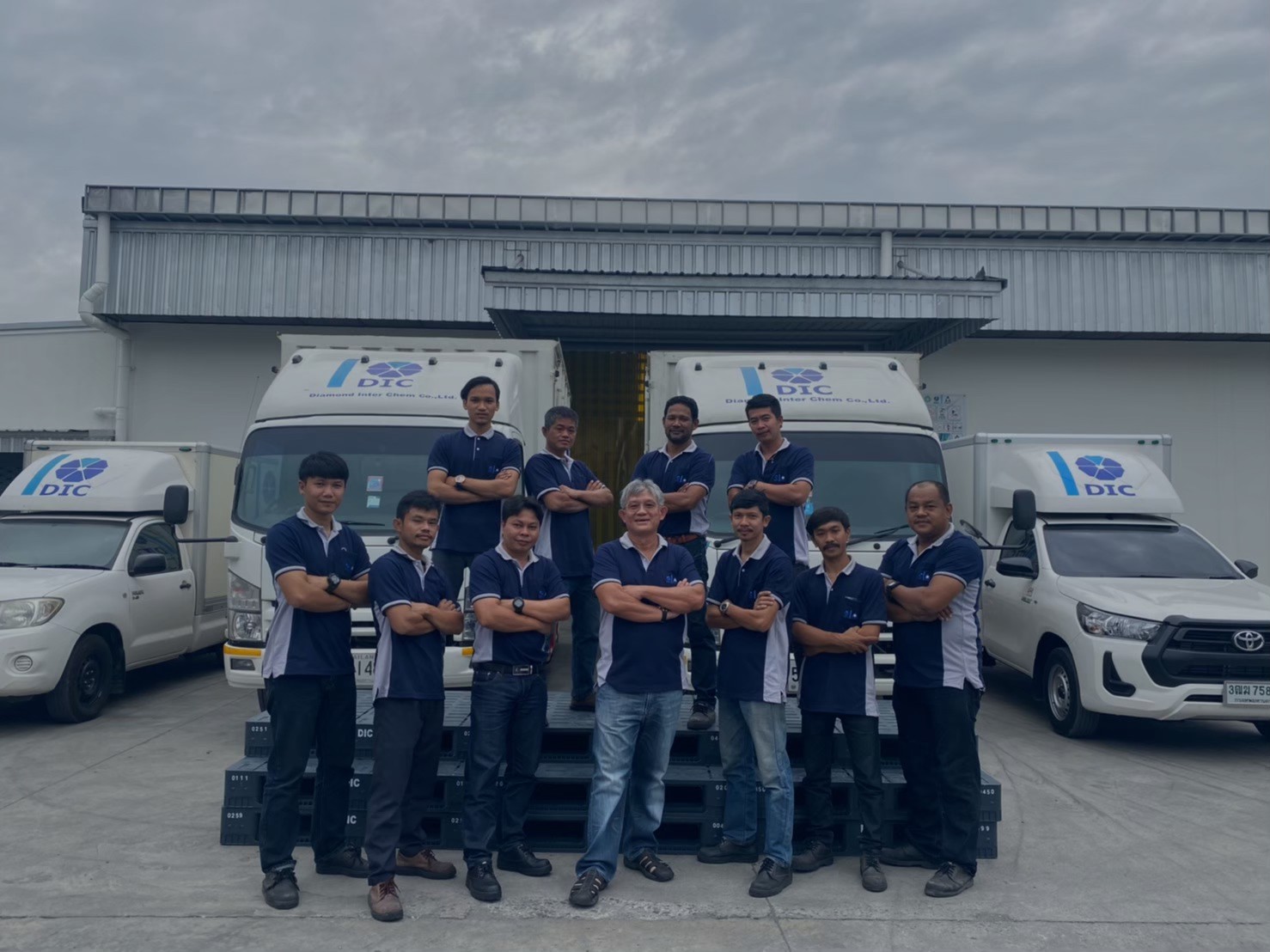
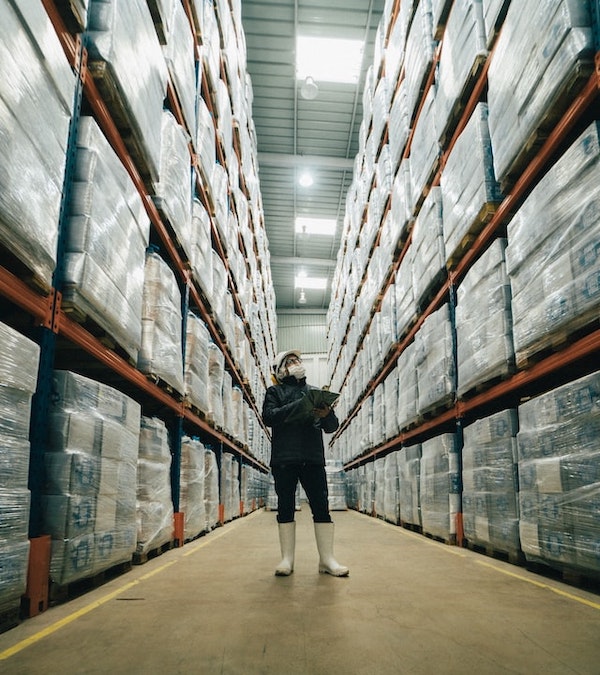
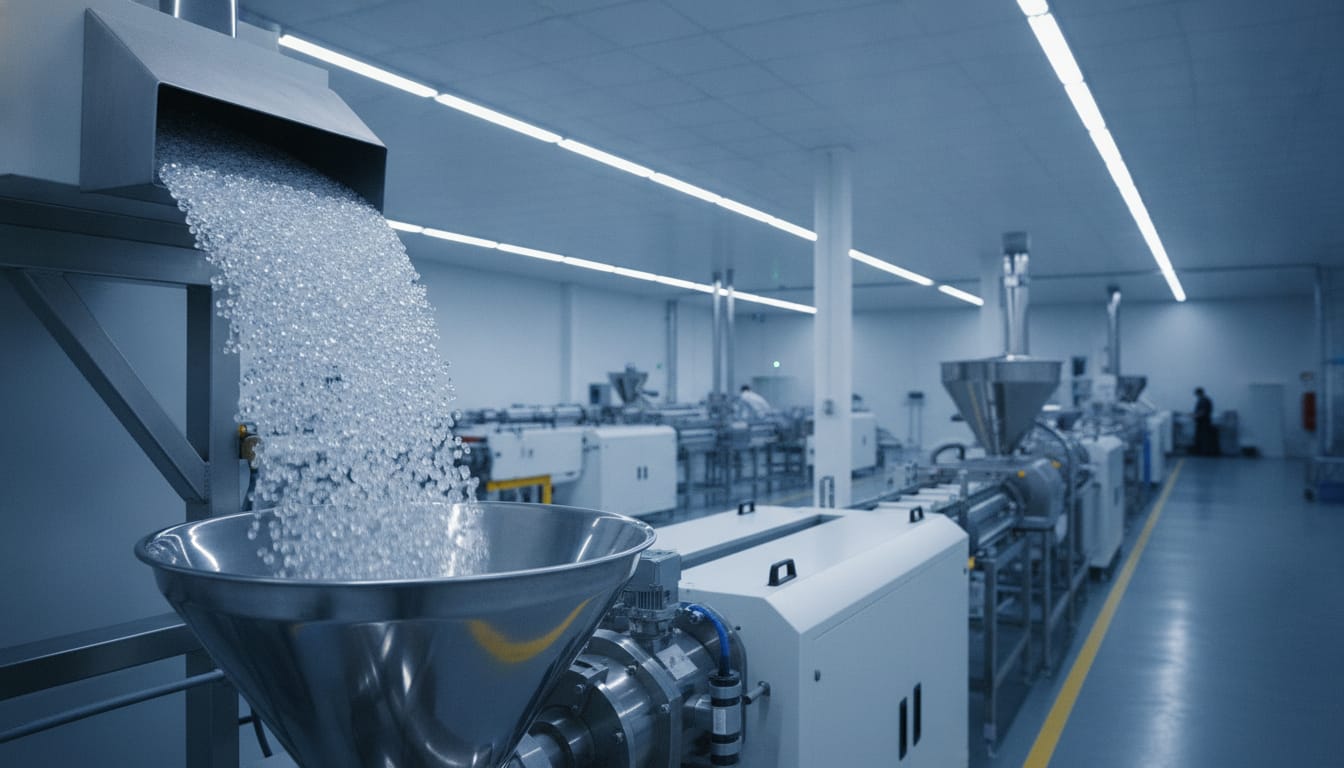
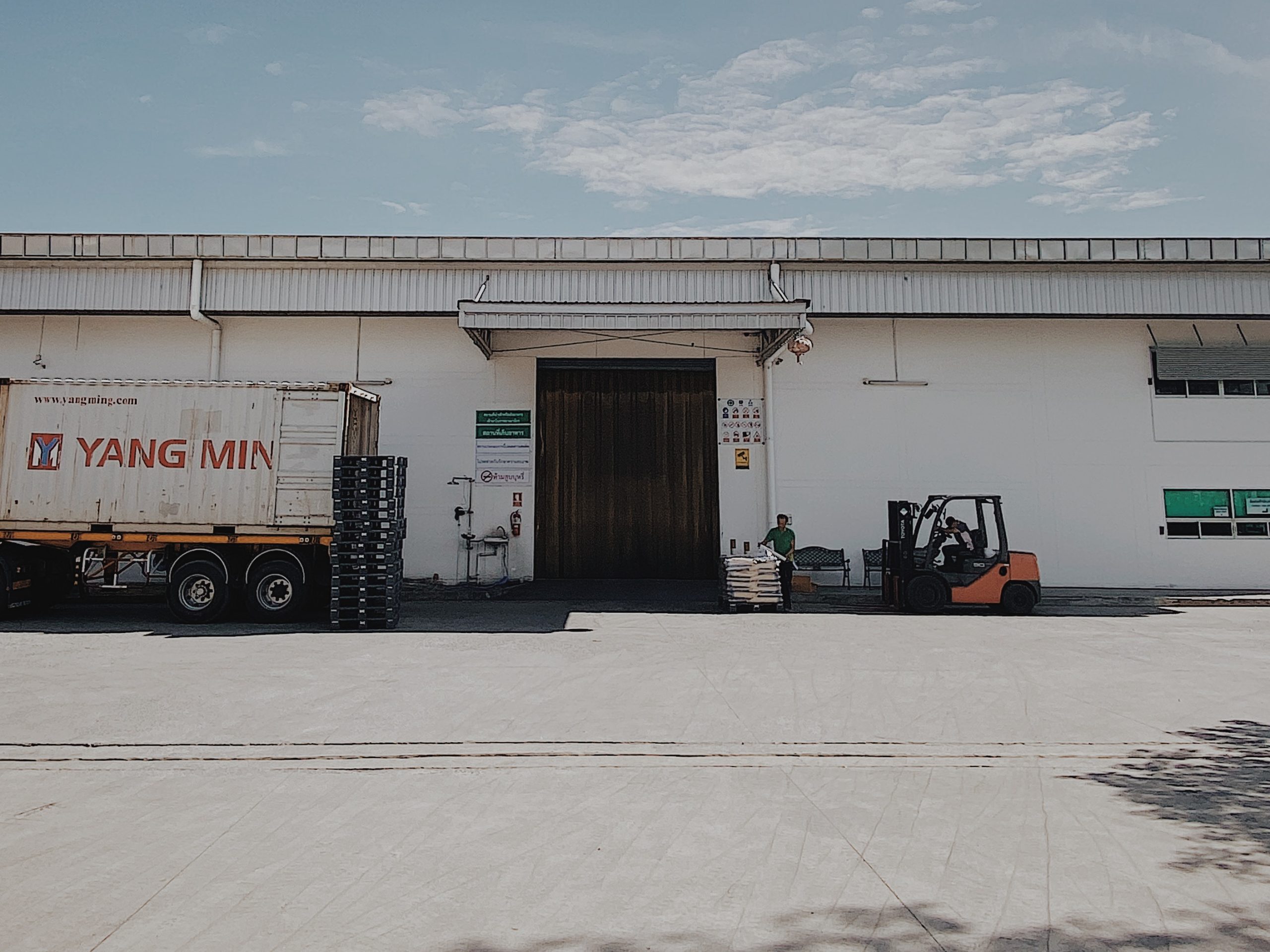
We didn't set out to build four distribution centers. We built them where customers needed us, one at a time, as the trading business proved out — each one an extension of our partners' own supply chain, handling repackaging, relabeling, and sampling on-site. Today they are five specialized facilities — food & beverage, an isolated pharmaceutical store, technical grade, all-purpose, and dangerous goods — each built for the products it protects.
Whatever route the order needs.
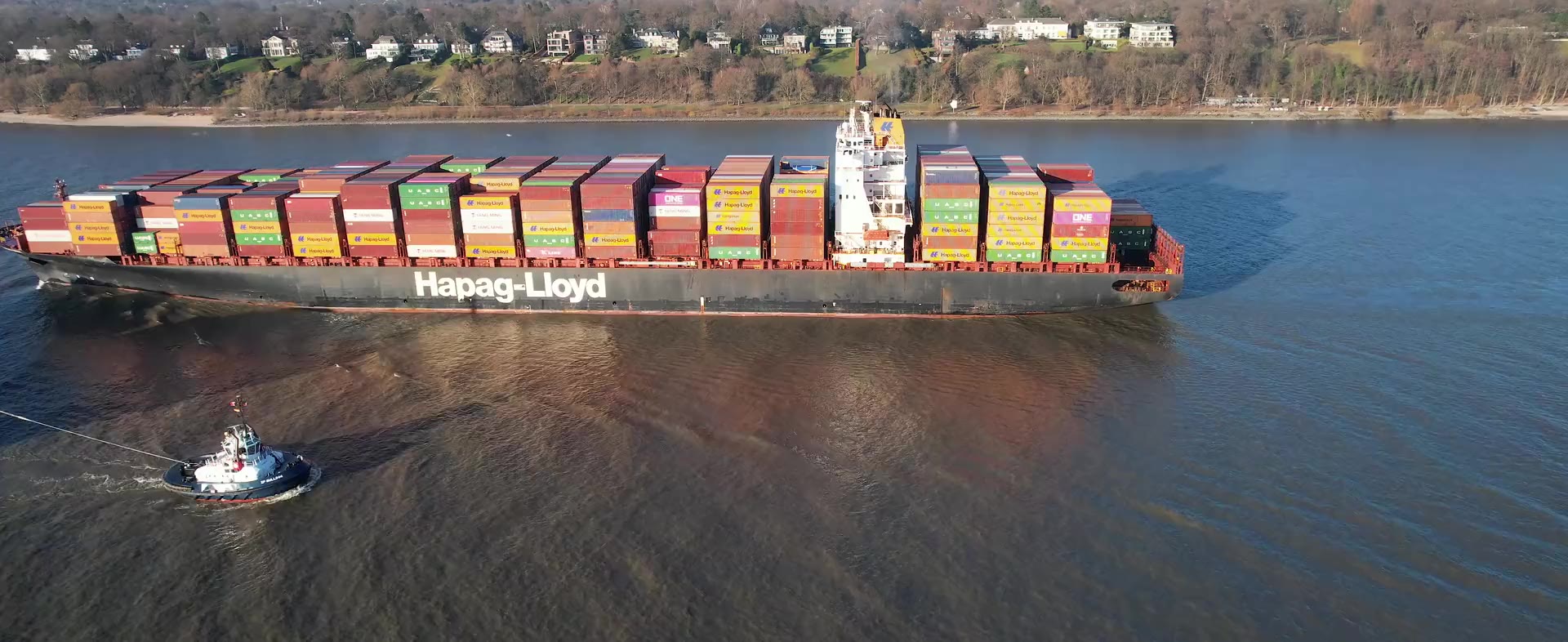
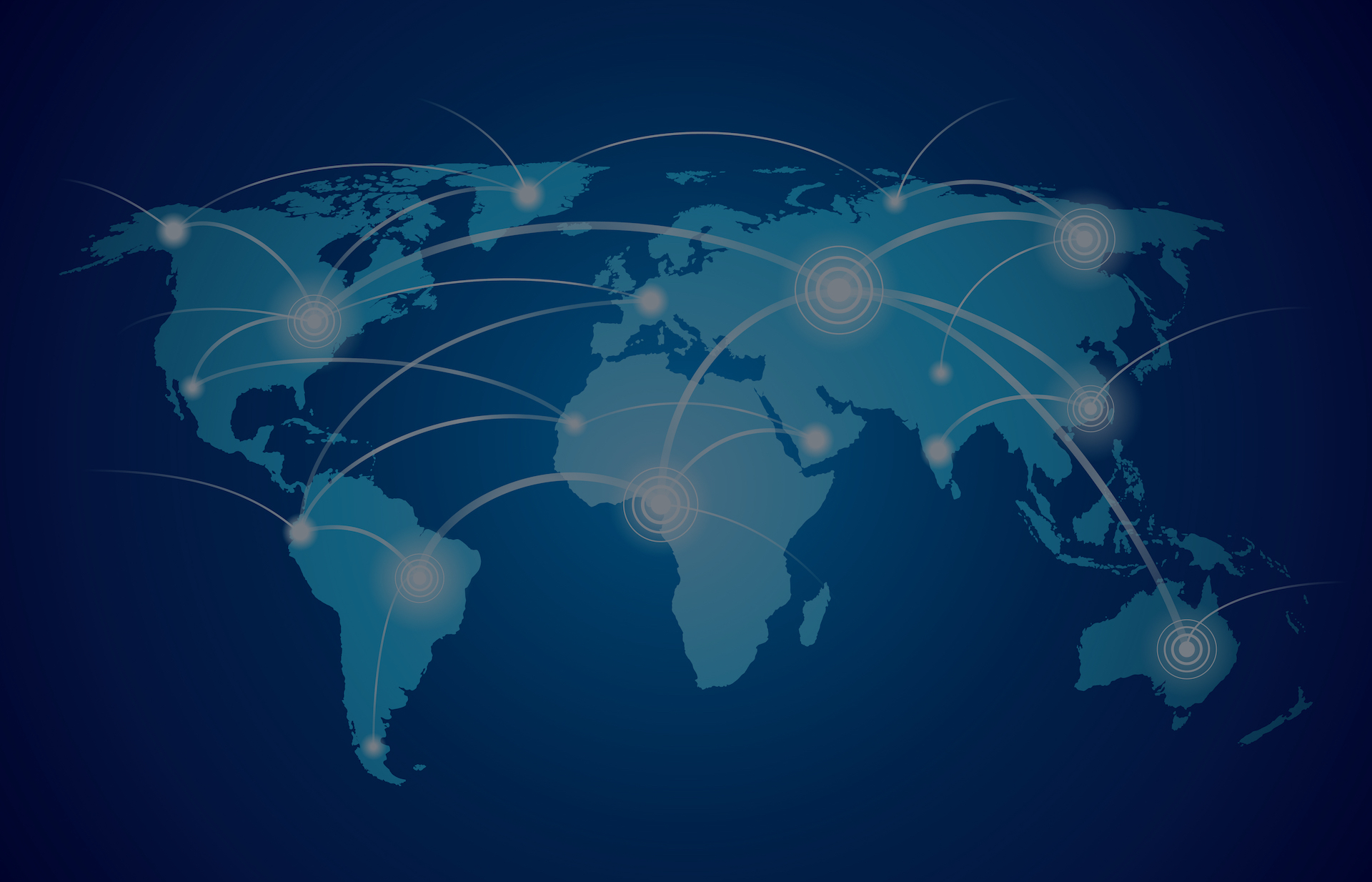
A "versatile-hub" model: principal suppliers deliver to a central hub, a subsidiary hub, or straight to the customer — domestically and internationally. Certified third-party logistics partners keep service high and cost low, however the shipment needs to move.
People and AI, on the same shift.
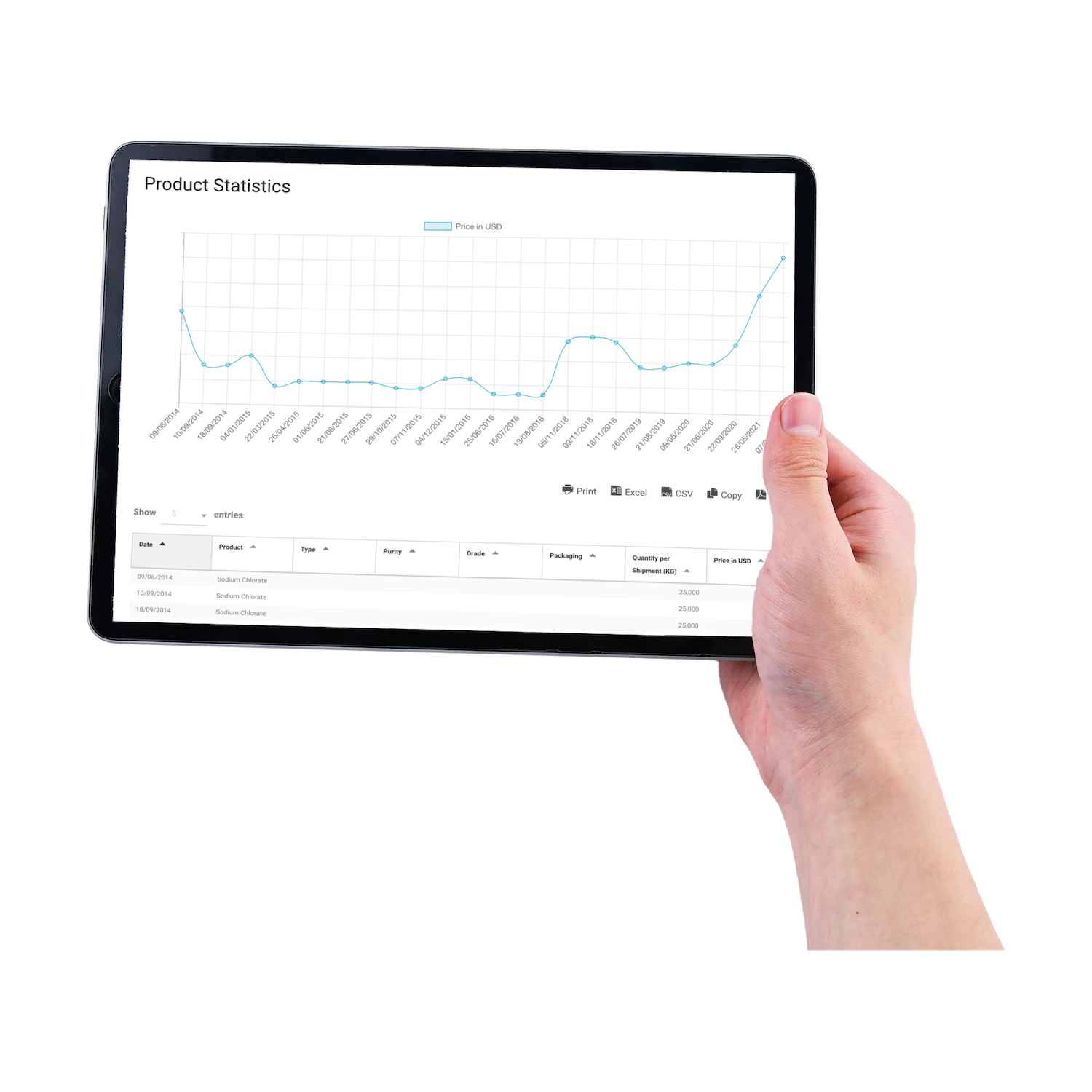
In 2022 a technology-driven CEO rebuilt the company's operating stack — ERP, order and inventory management, integration platforms, all powered by AI. Predictive demand starts on the factory floor: field specialists feed real consumption signals into the engine, forecasting volumes months ahead. When a dashboard flags a shipment anomaly, a human steps in within hours — technology that watches everything, people who answer for it.
One trusted partner, two markets.
In 2025 DIC crossed its first border, opening operations in Vietnam — direct access to Southeast Asia's second-largest food hub. Registered with both the Thai and Vietnamese FDA, the same audit-ready channel now serves two markets: one partner, one standard of compliance, fewer suppliers for global brands to manage.