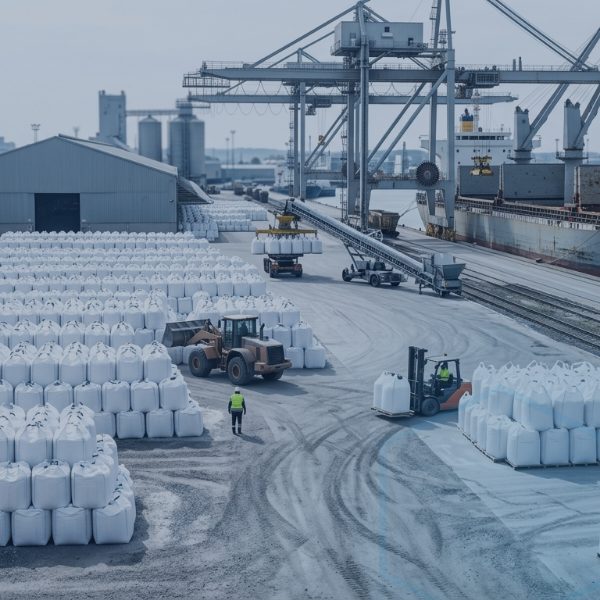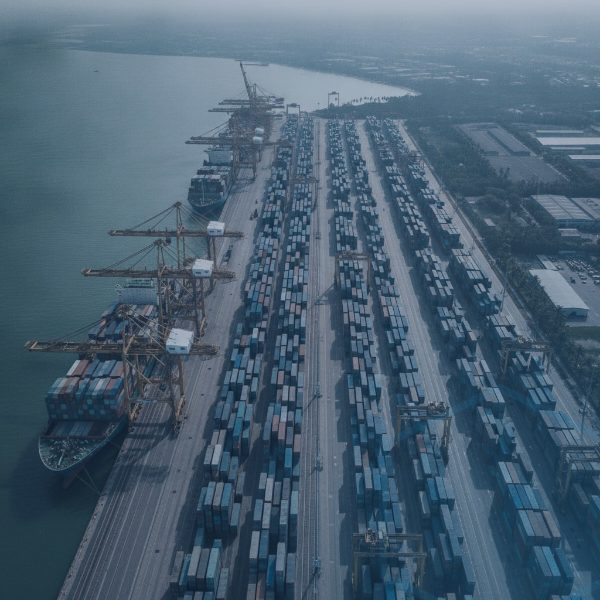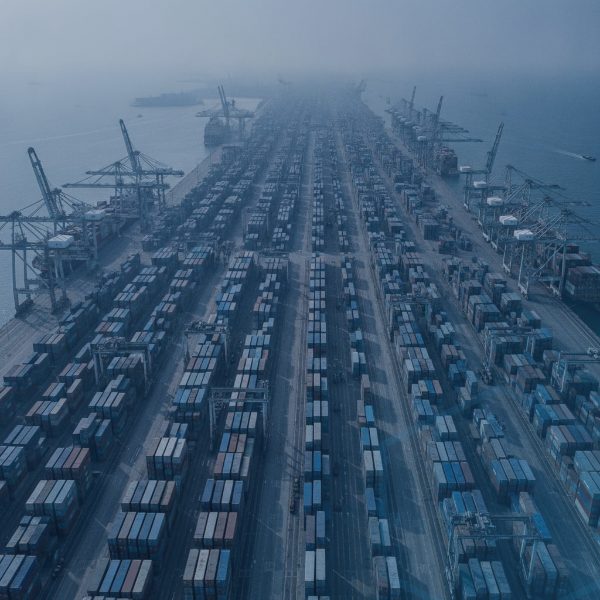
The diammonium phosphate price outlook for 2026 hinges on three factors that any Southeast Asian buyer should track: Chinese export policy on phosphate fertilizers, the cost of phosphate rock and ammonia feedstock, and global demand cycles tied to planting seasons in the Northern and Southern Hemispheres. ChemAnalyst's procurement guide for Diammonium Phosphate (DAP) frames these as the core drivers behind near-term price volatility, and buyers who monitor them systematically can time purchases and size buffer stock far more effectively than those who react only to spot quotes.
Why Diammonium Phosphate Prices Move: Feedstock and Trade Mechanics
DAP (18-46-0) is manufactured by reacting phosphoric acid with ammonia, so its cost structure sits downstream of two separately volatile markets. Ammonia pricing tracks natural gas in major producing regions, while phosphoric acid pricing tracks phosphate rock availability, which is geographically concentrated in a handful of countries. When either input tightens, DAP producers pass the cost through with a lag of roughly one to two quarters.
On top of input costs, China's export licensing regime for phosphate fertilizers is a recurring swing factor for Asian buyers. China is one of the world's largest DAP producers, and when Beijing restricts export windows to protect domestic planting-season supply, global available tonnage tightens quickly, pushing international offers higher even where feedstock costs are flat. ChemAnalyst's guide notes this policy lever as a standing watchpoint for procurement teams, alongside Black Sea and US Gulf supply flows that fill the gap when Chinese volumes are constrained.
Diammonium Phosphate Price Outlook by SEA Buyer Segment
The diammonium phosphate price outlook does not land the same way across every buyer type. It is worth separating the segments DIC typically sees in the region:
- Fertilizer blenders and agri-input distributors are the most price-sensitive and the most exposed to China's export cycle; they tend to buy in larger lot sizes timed to planting windows, which concentrates their risk around two or three annual price spikes.
- Food and feed manufacturers using food-grade phosphate salts for buffering, leavening, or as a nitrogen/phosphorus source in fermentation media are a smaller-volume, higher-specification segment; they are less exposed to agricultural seasonality but more exposed to grade availability, since food-grade material is a narrower production slice than fertilizer-grade DAP.
- Industrial users (flame-retardant treatments, water treatment formulations) sit in between — moderate volumes, moderate grade requirements, and exposure to the same feedstock cost base as fertilizer DAP.
DAP Grades and Specifications Compared
Buyers sourcing DAP should confirm which grade a quoted price actually refers to, since fertilizer-grade and food/technical-grade material are not interchangeable and carry different impurity tolerances.
| Grade | Typical N–P2O5 content | Common impurity controls | Typical use |
|---|---|---|---|
| Fertilizer grade | 18% N / 46% P2O5 | Looser heavy-metal limits | Agricultural blending |
| Technical / industrial grade | Comparable N–P2O5, tighter particle consistency | Controlled insolubles | Flame retardant and water treatment formulations |
| Food grade | Purity-specified per food-chemical codex rather than N–P2O5 label | Heavy metals and arsenic limits per codex spec | Buffering/nutrient source in food and fermentation applications |
Monitoring Checklist: Tracking the Diammonium Phosphate Price Outlook
- Track China's phosphate fertilizer export license announcements — these typically precede regional price moves by several weeks.
- Watch natural gas price trends in major ammonia-producing regions as a leading indicator for feedstock cost pressure.
- Confirm which grade a quoted price covers before comparing offers across suppliers.
- Build in lead-time buffer ahead of Northern Hemisphere spring planting and Southern Hemisphere autumn planting, when fertilizer-grade demand peaks.
- For food/technical-grade buyers, confirm supplier allocation priority — fertilizer-grade demand spikes can squeeze food-grade production slots at the same plants.
FAQ
Why are diammonium phosphate prices rising?
DAP prices generally rise when phosphate rock or ammonia feedstock costs increase, or when a major exporter — most notably China — restricts export volumes to secure domestic fertilizer supply during planting season.
Is there a diammonium phosphate shortage?
Reported supply tightness is typically regional and seasonal rather than a structural global shortage — it follows export-policy windows and planting-season demand peaks rather than a permanent production shortfall.
What affects DAP lead times into Southeast Asia?
Lead times are shaped by which origin is supplying (China, Middle East, or North Africa/Black Sea producers), port and vessel scheduling, and whether the buyer needs fertilizer-grade or a tighter food/technical specification that fewer plants produce.
How DIC supports this
Diammonium Phosphate is on DIC's active watchlist material, and our role is to make the supply side predictable regardless of where it sits in the price cycle described above: we track origin and grade availability across multiple suppliers rather than a single source, and for customers who need buffer stock through seasonal demand peaks, our VMI programs and isolated pharma-grade warehouse support food- and technical-grade allocations without exposing the material to agricultural-grade handling. If you are planning DAP sourcing for 2026 and want to talk through grade selection or supply timing, our team is available through the contact form.