The urea ammonium sulphate supply outlook is tightening to watch, not yet alarming: wire reports this month describe wheat prices climbing as Russia and Ukraine pursue export workarounds amid continued trade friction, and because the Black Sea basin is simultaneously one of the world's largest exporters of both grain and nitrogen fertilizer, the same friction that moves wheat futures also sits upstream of urea and ammonium sulphate flows that Southeast Asian buyers depend on. Nothing here confirms a shortage. It confirms a corridor under stress, which is exactly the kind of signal procurement teams should log rather than ignore.
This article unpacks the mechanism linking grain and fertilizer trade, what it means segment by segment for manufacturers in food & beverage, agriculture-adjacent industry, and personal care, and what a disciplined buyer should actually monitor over the coming quarter.
Why Grain Trade Friction and the Urea Ammonium Sulphate Supply Outlook Are Connected
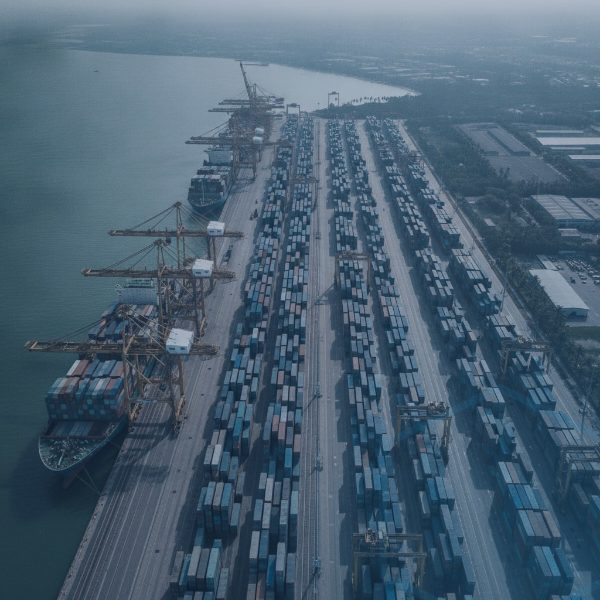
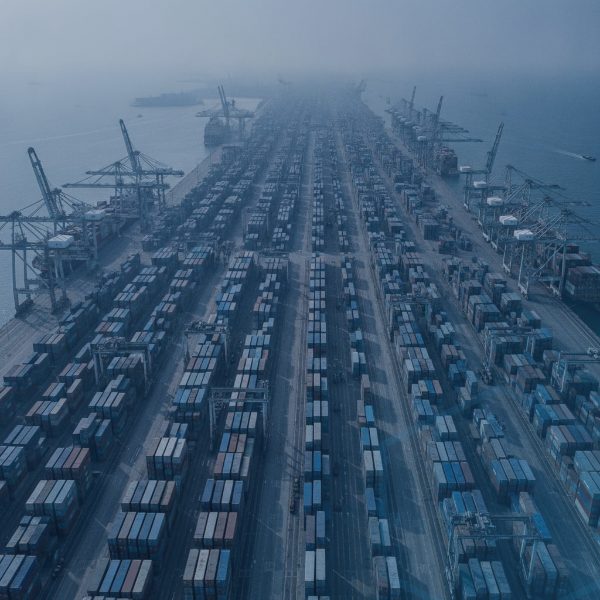
Russia and Ukraine are not just grain exporters — Russia alone has historically accounted for a double-digit share of global urea and ammonium nitrate-complex exports, and the same ports, rail corridors, and vessel-chartering networks used to move wheat are used to move bagged and bulk fertilizer. When export documentation, insurance, or sanctions-compliance friction forces grain traders to seek 'workarounds' — re-routing through third countries, changing transshipment points, adjusting certificates of origin — the same workaround mechanics apply to fertilizer cargoes moving out of the same ports. A grain trade story is therefore rarely isolated from a fertilizer trade story; they share infrastructure, insurers, and often the same shipping lines.
There is a second, slower-moving link: farm economics. Nitrogen fertilizer demand is driven by planted acreage and expected crop prices. When wheat prices climb, farmers in major growing regions have more incentive to maximize yield, which supports fertilizer demand and gives nitrogen producers more room to hold or raise prices rather than discount into a soft market. Rising grain prices do not mechanically raise urea prices, but they remove one of the downward pressures that would otherwise cap them.
What This Means for Southeast Asian Buyers, Segment by Segment
- Food & beverage manufacturers using ammonium sulphate as a yeast nutrient or dough-conditioning aid are exposed less to fertilizer-grade pricing directly and more to the general tightening of nitrogen-compound supply chains, which can extend lead times for food-grade lots even when the headline disruption is agricultural, not food-industrial.
- Fertilizer blenders and agri-input distributors sourcing urea for NPK blending are the most directly exposed segment — any extension of export-licensing friction on Black Sea-origin nitrogen product tightens available tonnage into Asia and widens freight-adjusted price spreads between origins.
- Personal care formulators using urea as a humectant in skin-care bases are a small share of total urea demand and typically buy cosmetic-grade material from dedicated suppliers, insulating them somewhat from fertilizer-market swings, though feedstock (natural gas) cost pressure can still pass through over longer horizons.
- Industrial users of ammonium sulphate in water treatment or as a precipitating agent should note that ammonium sulphate is frequently a by-product stream (e.g., from caprolactam production) rather than a primary manufacture target, which can make its supply curve behave differently — sometimes more stable, sometimes more erratic — than urea's.
Urea vs. Ammonium Sulphate: Exposure Comparison
| Factor | Urea | Ammonium Sulphate |
|---|---|---|
| Primary production route | Direct synthesis from ammonia + CO2 (natural-gas feedstock) | Often a by-product (e.g., caprolactam, gypsum reaction) or direct synthesis |
| Black Sea export exposure | High — Russia is a major direct urea exporter | Moderate — more diversified global origin base |
| Typical SEA buyer segments | Agriculture/fertilizer blending; smaller cosmetic/industrial volumes | Agriculture; food-grade yeast nutrient; water treatment |
| Price driver most sensitive to this news | Export-corridor and freight friction out of Black Sea ports | Co-product economics of parent processes (e.g., caprolactam demand) |
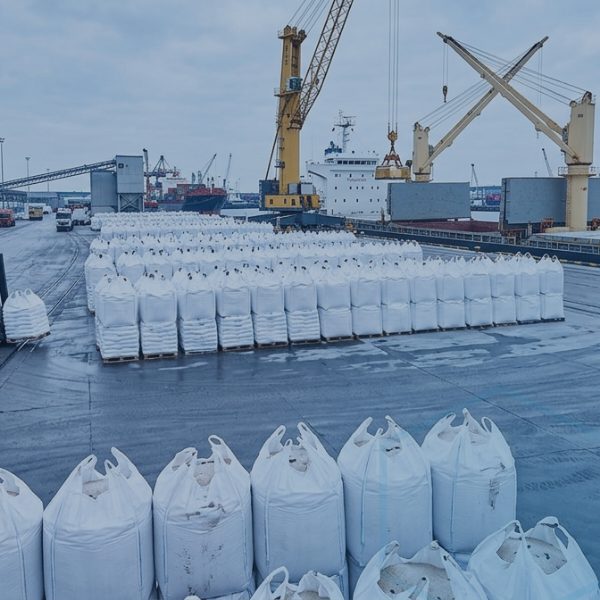
| Typical logistics format into SEA | Bulk vessel, bagged containers | Bagged containers, bulk for larger blenders |
A Monitoring Checklist for Procurement Teams
- Track whether export-licensing or documentation friction reported for grain shipments extends explicitly to fertilizer cargo manifests out of the same ports.
- Watch freight-rate movement on routes serving Black Sea-origin nitrogen product into Asia — rising freight is often the earliest tell, ahead of FOB price movement.
- Confirm with current suppliers whether quoted lead times assume Black Sea-origin material or an alternative origin (Middle East, China, Southeast Asia domestic) — origin diversification is the single biggest lever a buyer controls.
- Review buffer-stock policy for nitrogen-dependent inputs against a 4-8 week lead-time extension scenario rather than waiting for a confirmed shortage to react.
- Distinguish headline wheat-price commentary from confirmed fertilizer-market data before adjusting internal forecasts — the two move together directionally but not in lockstep.
Frequently Asked Questions
Does rising wheat prices mean urea and ammonium sulphate prices will also rise?
Not mechanically. Rising wheat prices support farm economics and therefore nitrogen fertilizer demand, and Black Sea export friction affects the same port and shipping infrastructure used for fertilizer cargo. Both factors lean toward upward pressure on urea and, to a lesser degree, ammonium sulphate, but neither is a direct price-setting mechanism on its own.
Is there a confirmed urea or ammonium sulphate shortage into Southeast Asia?
No shortage has been reported in the current wire coverage reviewed here. The relevant signal is trade-corridor friction on Black Sea-origin grain and fertilizer exports, which is a leading indicator worth monitoring, not a confirmed supply event.
How exposed is ammonium sulphate compared with urea to this specific disruption?
Generally less exposed, because a larger share of global ammonium sulphate supply originates as a by-product of diversified industrial processes outside the Black Sea corridor, whereas Russia is a significant direct urea exporter.
How DIC supports this
Diamond Interchem stocks urea and ammonium sulphate through a multi-origin sourcing model rather than a single-corridor dependency, which is precisely the structural hedge this kind of trade-friction story calls for. Buyers on DIC's VMI programs carry forward visibility on replenishment timing rather than discovering a lead-time extension at the point of order, and material destined for food-grade or pharma-adjacent use is handled through DIC's isolated pharma-grade warehouse to keep segregation and traceability intact regardless of which origin is active in a given quarter. If your team wants to pressure-test current contracts against a Black Sea disruption scenario, DIC's supply team is available for a sourcing-diversification conversation through the contact form.