Asia port congestion intensified sharply through mid-2026, dragging global container vessel schedule reliability down to just 56.4% in July — its lowest level in over a year — and pushing spot rates on Asia-to-US container lanes higher even as liquid chemical tanker rates ex-US Gulf softened over the same weeks, according to Hellenic Shipping News. For procurement teams in Southeast Asia sourcing raw materials that transit these same Asian hub ports, the practical effect is longer and less predictable lead times, not necessarily higher freight cost on every lane. This article breaks down why the congestion is happening, what it means segment by segment, and how buyers can build in a buffer without overpaying for safety stock.
What's Driving Asia Port Congestion in 2026
Schedule reliability — the percentage of vessels arriving within one day of their published schedule — has been on a multi-year downtrend since carriers began absorbing Red Sea rerouting via the Cape of Good Hope. That rerouting added 10-14 days to Asia-Europe strings and pulled vessels away from Asia-intra-regional rotations, tightening capacity at the same time Asia-US demand stayed firm. Add in peak-season front-loading ahead of possible tariff or holiday-driven demand spikes, and the result is vessel bunching at major transshipment hubs — Singapore, Port Klang, and several south China ports have all reported berth queues this year. When ships wait longer to berth, the knock-on effect cascades: feeder vessels miss connections, empty containers pile up in the wrong places, and reliability keeps sliding even after the initial trigger (Red Sea diversions) eases.
Container Rates Up, Tanker Rates Down: Why the Divergence
The same congestion that lifted Asia-US container spot rates this week softened liquid chemical tanker rates ex-US Gulf. That is not a contradiction — it reflects two different supply-demand balances. Container capacity on Asia-US lanes is genuinely tight because of the bunching described above, so carriers can push rates. Tanker capacity ex-USG, by contrast, has been loosening as new parcel tanker tonnage entered service and US Gulf export demand softened, so charterers have more negotiating leverage even while the broader shipping system is under strain. For a chemical buyer, this matters: a material shipped in ISO tanks or bulk liquid form ex-USG is currently facing a softer rate environment, while the same buyer's dry-container imports ex-Asia are facing the opposite.
What This Means for SEA Buyers, Segment by Segment
- Food & beverage manufacturers importing powder/solid ingredients in standard dry containers from China should expect the widest lead-time variance this quarter — build 1-2 extra weeks into reorder points rather than assuming last quarter's transit time repeats.
- Personal care and pharma formulators relying on smaller, high-value shipments are more exposed to missed connections at transshipment hubs than to the headline rate move itself — a single missed feeder connection can cost more time than the rate increase costs in money.
- Electronics/semiconductor buyers of specialty chemicals often move smaller lot sizes on tighter production schedules; congestion-driven delays are proportionally more disruptive here than for buyers who already hold larger buffer stock.
- Pet nutrition and supplement makers sourcing bulk liquids ex-USG may actually see incrementally better tanker economics this quarter, but should not assume that offsets Asia-side dry-container delays if their supply chain touches both.
Scenario Comparison: Shipping Mode Exposure to Current Congestion
| Shipping Mode | Typical Chemical Cargo | Current Exposure | Practical Buffer |
|---|---|---|---|
| Standard dry container (Asia origin) | Powders, drums, IBCs of solid/semi-solid chemicals | High — direct impact of the reported reliability drop | Add 1-2 weeks to planning lead time; confirm carrier's actual (not scheduled) transit history on the specific lane |
| ISO tank / bulk liquid (ex-USG) | Bulk liquid chemicals, solvents | Currently softer — rates easing, but tank availability itself is a separate, often monopolized constraint | Lock in tank booking windows early regardless of rate direction; availability, not price, is usually the binding constraint |
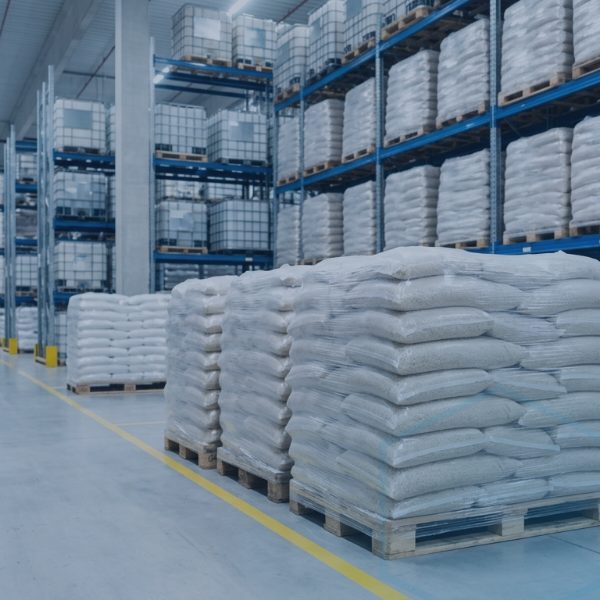
| IBC drum / flexitank via container | Mid-volume liquid chemicals not requiring dedicated ISO tanks | Moderate — shares container-lane congestion but not the ISO-tank booking bottleneck | Useful hedge when ISO tank slots are scarce; plan warehouse space for drum handling |
A Monitoring & Action Checklist for Import Planning
- Track published schedule-reliability indices (e.g. Sea-Intelligence's monthly reports, referenced by Hellenic Shipping News and other trade press) rather than relying on a single carrier's quoted transit time.
- Separate your SKU list by shipping mode (dry container vs ISO tank vs drum/IBC) — the congestion and rate dynamics affecting each are currently moving in opposite directions.
- Re-check reorder points quarterly rather than annually while reliability sits below the 60% range; a static safety-stock formula built on 2023-level reliability will under-buffer in 2026.
- Ask suppliers directly whether their logistics partner routes through a currently congested transshipment hub, and whether an alternate routing exists.
- Where volumes allow, evaluate whether a VMI arrangement with locally held buffer stock reduces exposure to lane-level volatility more cost-effectively than expediting freight.
FAQ
Why is Asia port congestion affecting container rates but not chemical tanker rates the same way?
Container and tanker markets have different capacity balances right now. Container capacity on Asia-US lanes is tightened by vessel bunching and missed connections at congested hubs, while tanker capacity ex-US Gulf has been loosening as new tonnage enters service — so the two rate directions can diverge even though both are reported in the same week.
How long will Asia port congestion last?
Schedule reliability has been declining for several months as carriers absorb Red Sea rerouting and peak-season demand simultaneously; trade press has not reported a firm resolution date, so buyers should plan around continued volatility for at least the next few quarters rather than a quick return to prior reliability levels.
Does port congestion affect all chemical shipments equally?
No. Exposure depends heavily on shipping mode — standard dry containers moving through congested Asian hubs are more exposed than bulk liquid shipments on ISO tanks ex-US Gulf, which are currently in a softer rate environment. Buyers should assess exposure mode by mode rather than assuming a single congestion narrative applies uniformly.
How DIC supports this
Diamond Interchem's import model is built around the reality that reliability, not just rate, is the variable that hurts buyers most. Our VMI programs hold agreed buffer stock locally in Bangkok specifically so that a missed feeder connection or a congested transshipment hub does not become a production stoppage on a customer's line. Where a shipment doesn't require dedicated ISO-tank capacity — itself a separately constrained, often monopolized channel — our IBC drum logistics channel gives an alternate routing path that isn't competing for the same scarce tank slots. If congestion on your specific import lane is changing your lead-time math, our team can walk through your SKU list and flag where a buffer or an alternate routing makes sense — reach out through our contact form to start that conversation.