Para-aminobenzoic acid applications span pharmaceutical intermediate synthesis, dye manufacturing, and select cosmetic formulations, with the material typically supplied as technical grade for industrial chemistry and a higher-purity pharmacopeial grade for drug-related uses. Buyers choosing between these grades should match purity, particle size, and documentation requirements to the downstream process before sourcing.
What Is Para-Aminobenzoic Acid
Para-aminobenzoic acid (PABA), CAS 150-13-0, is an aromatic amino acid derivative with the molecular formula C7H7NO2. It appears as a white to pale yellow crystalline powder with a mild odor, and it is a well-known building block in aromatic amine chemistry because the molecule carries both an amine group and a carboxylic acid group on a benzene ring. This bifunctional structure makes it a versatile intermediate for further synthesis rather than a finished active ingredient in most industrial contexts.
Grades and Standards
Two broad grade tiers cover most commercial demand. Technical grade material is produced to a purity specification suited for dye, resin, and general organic synthesis, while pharmaceutical grade is manufactured and tested against pharmacopeial monographs such as USP-NF for Aminobenzoic Acid, which defines identity, assay, heavy metals, and loss-on-drying limits. Cosmetic-grade batches typically sit between these tiers, meeting tighter heavy-metal and residual-solvent limits than technical grade without carrying full pharmacopeial documentation.
| Attribute | Technical Grade | Pharmaceutical Grade (USP-NF) |
|---|---|---|
| Typical assay | ≥98.0% | ≥99.0% |
| Appearance | White to yellowish crystalline powder | White crystalline powder |
| Heavy metals | Commercial limit, process-dependent | Meets USP-NF limit |
| Loss on drying | Not always specified | Specified per monograph |
| Typical packaging | 25 kg fiber drums or PE-lined bags | 25 kg fiber drums, double-bagged, lot-sealed |
Para-Aminobenzoic Acid Applications by Industry
The dominant industrial use of para-aminobenzoic acid is as a synthesis intermediate. In pharmaceutical manufacturing, it functions as a precursor in the synthesis of folate-related compounds and certain local anesthetic active ingredients, where it is consumed as a raw material rather than used directly in the final dosage form. In the dye and pigment sector, PABA serves as a coupling component for azo dye chemistry. Some cosmetic and personal-care formulators use it, or its esters, as a UV-absorbing raw material in sunscreen-type formulations, valued for the chromophore properties of the aromatic ring system rather than for any claimed skin benefit. It also appears in analytical and research chemistry as a reagent.
Formulation and Processing Notes
PABA is slightly soluble in cold water and more readily soluble in hot water, ethanol, and diethyl ether, which influences how it is introduced into aqueous or solvent-based processes. As a weak organic acid (pKa near 4.8), its solubility and reactivity are pH-dependent; formulators working in near-neutral to alkaline media will see improved solubility compared with acidic systems. The compound is thermally stable under normal processing temperatures but should be kept away from strong oxidizing agents, which can degrade the amine functionality. Because it is photosensitive to some degree, prolonged exposure to direct light during bulk handling should be minimized to preserve appearance and assay.
Handling and Storage
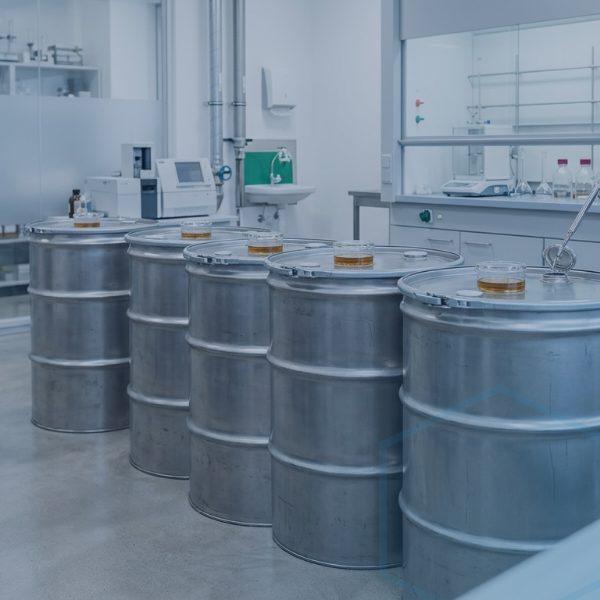
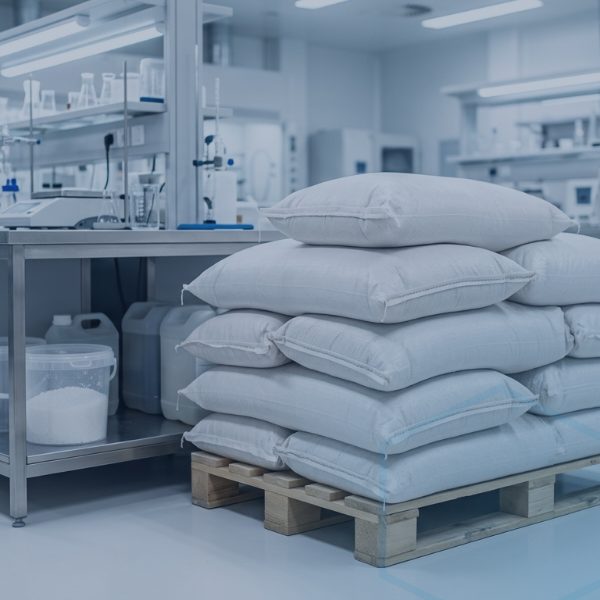
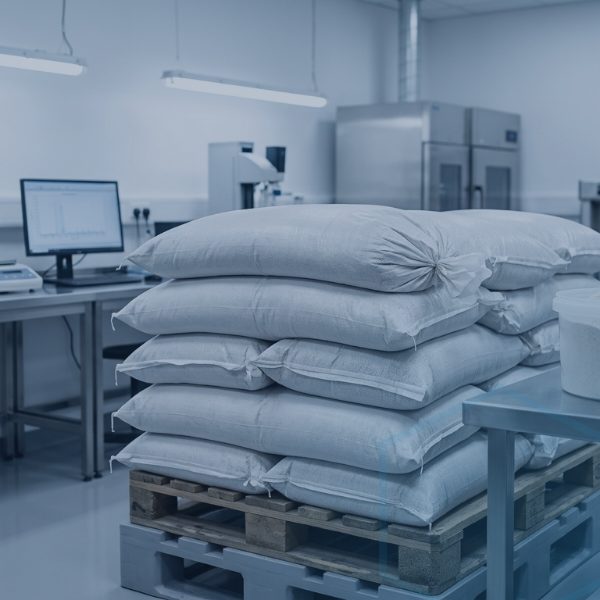
Standard commercial packaging is 25 kg fiber drums or multi-wall PE-lined bags for powder form, palletized and shrink-wrapped for transport. Recommended storage is in a cool, dry warehouse, away from direct sunlight and strong oxidizers, with containers kept sealed between use to limit moisture pickup, which can affect flow and assay over time. Standard industrial handling precautions apply: use appropriate PPE, avoid dust generation, and follow the safety data sheet for the specific grade and supplier batch.
QA Documentation Buyers Should Request
For any grade, procurement and QA teams should request a Certificate of Analysis showing assay, appearance, moisture content, and relevant heavy-metal or residual-solvent results tied to the specific lot. A current specification sheet clarifies which grade tier and standard (technical, cosmetic, or USP-NF pharmaceutical) the batch is manufactured against. Lot traceability documentation, including manufacturing date and retest or expiry date where applicable, supports downstream regulatory filings and audit trails, particularly for pharmaceutical and cosmetic end uses.
FAQ
What grade of para-aminobenzoic acid is needed for pharmaceutical intermediate use?
Pharmaceutical intermediate synthesis generally calls for material meeting USP-NF Aminobenzoic Acid monograph limits on assay, heavy metals, and loss on drying, supported by a full Certificate of Analysis.
How is para-aminobenzoic acid packaged and stored?
It is commonly supplied as a crystalline powder in 25 kg fiber drums or lined bags, and should be stored in a cool, dry area protected from direct light and strong oxidizing agents.
Is para-aminobenzoic acid soluble in water?
It is only slightly soluble in cold water but dissolves more readily in hot water, ethanol, and ether, with solubility also influenced by the pH of the solution.
How DIC supports this
DIC maintains regional stock positions for para-aminobenzoic acid across technical and pharmaceutical-grade options, allowing formulators and manufacturers to source consistent lots without committing to full-container quantities. Sensitive grades intended for pharmaceutical or cosmetic use are handled through pharma-grade warehousing with documented chain-of-custody, and vendor-managed inventory arrangements are available for buyers with recurring production schedules.