
L-Threonine grades used in feed, food, and pharmaceutical manufacturing are distinguished primarily by purity level and the standard they are produced against: feed grade (typically ≥98.5% purity), food/FCC grade, and USP/EP pharmaceutical grade, each carrying its own documentation requirements. Buyers selecting between these grades should match the specification to the end application rather than defaulting to the highest-purity option, since feed-grade material is fermentation-produced to the same base chemistry and is fit for purpose in animal nutrition formulations.
What Is L-Threonine
L-Threonine (CAS 72-18-4) is an essential amino acid produced commercially by microbial fermentation of carbohydrate feedstocks, followed by crystallization and drying. It is a white to off-white crystalline powder with a mildly characteristic taste, freely soluble in water, and stable under normal ambient storage when kept dry. Because it is an essential amino acid that monogastric animals and humans cannot synthesize in sufficient quantity, it is added to diets and formulations specifically to correct amino acid balance relative to other essential amino acids such as lysine and methionine.
L-Threonine Grades and the Standards Behind Them
Grade selection is the first decision point for any procurement or formulation team evaluating L-Threonine grades. Feed-grade material, the largest volume category, is commonly specified at a minimum purity threshold with defined limits on moisture, ash, and heavy metals, referencing feed additive monographs recognized in the destination market. Food-grade material generally aligns with Food Chemicals Codex (FCC) criteria for identity and purity, supporting use as a nutrient additive in fortified foods and beverages. Pharmaceutical-grade L-Threonine is manufactured and tested to USP or EP monograph requirements, with tighter control on related substances, residual solvents, and microbial limits, and is typically produced and packed in dedicated or validated lines to avoid cross-contamination.
| Grade | Typical Purity | Reference Standard | Primary Use |
|---|---|---|---|
| Feed grade | ≥98.5% | Feed additive monograph (region-specific) | Animal feed premixes, amino acid balancing |
| Food grade | ≥98.5% | FCC | Fortified foods, nutritional beverages |
| Pharmaceutical grade | ≥99.0% | USP / EP monograph | Parenteral and oral nutrition, formulated supplements |
Physical Form and Packaging
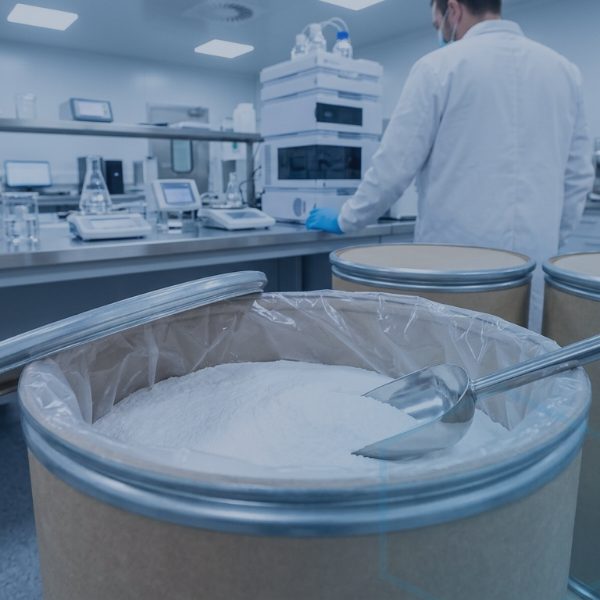
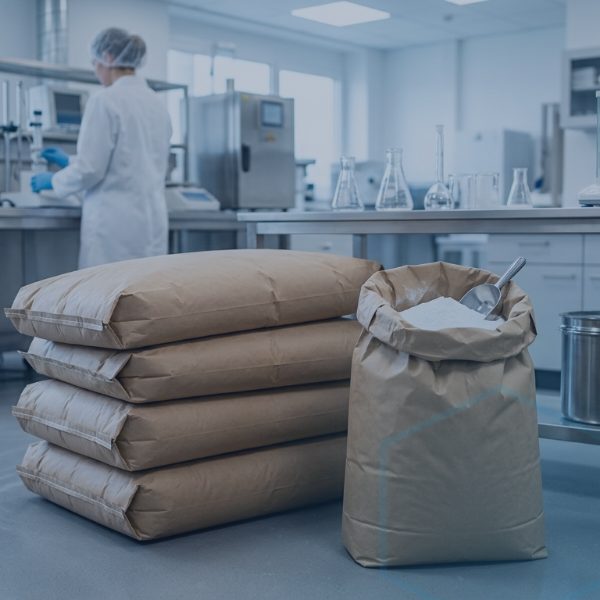
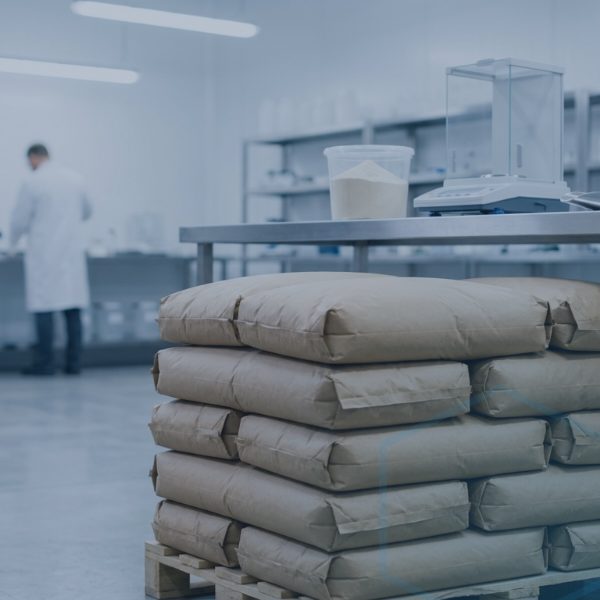
L-Threonine is supplied almost exclusively as a dry crystalline powder or fine granular material; liquid forms are not standard in commercial trade. Standard packaging is 25 kg multi-ply paper or PP/PE-lined bags with an internal moisture barrier, palletized and shrink-wrapped for containerized shipment. Pharmaceutical-grade lots are often supplied in fiber drums or double-bagged configurations with tamper-evident seals to support the additional documentation and traceability expected at that quality tier.
Applications by Industry
The dominant application for L-Threonine is animal feed, where it is used to complete the essential amino acid profile of swine, poultry, and aquaculture diets, particularly in formulations built around lower-protein, amino-acid-fortified feed strategies. In food manufacturing, it functions as a nutritional fortificant in specialized nutrition products and fortified beverages. In pharmaceutical and nutraceutical manufacturing, USP/EP-grade material is used as a component in parenteral nutrition solutions and in formulated amino acid supplement products, where it serves a defined nutritional function within the finished formulation.
Formulation and Handling Notes
L-Threonine is freely soluble in water and stable across a broad pH range typical of aqueous premix and liquid formulation work; it does not present unusual solubility or dispersion challenges compared to other crystalline amino acids. It is generally stable to moderate processing heat encountered in feed pelleting and standard food processing, though prolonged exposure to high heat and moisture together can promote caking of the powder and, over extended storage, gradual quality degradation, so drying and packaging integrity are the practical control points rather than the amino acid's inherent heat sensitivity. As with other crystalline amino acids, it can participate in Maillard-type browning reactions with reducing sugars under high-heat processing, a consideration for formulators combining it with sugar-containing premixes.
Storage and Handling
Store L-Threonine in its original sealed packaging in a cool, dry warehouse away from direct sunlight and moisture ingress; the powder is hygroscopic enough that opened bags should be resealed promptly and used within a reasonable timeframe to avoid caking or clumping. No special ventilation or segregation from general dry-goods storage is required, though pharmaceutical-grade lots are typically held in a controlled, dedicated area consistent with GMP warehousing practices to preserve lot integrity and traceability.
QA Documentation to Request
Buyers evaluating a supplier of L-Threonine grades should request a Certificate of Analysis (COA) confirming purity, moisture, and impurity profile against the applicable monograph; a current specification sheet detailing physical and chemical parameters; and lot traceability documentation linking the shipped material back to the manufacturing batch. For pharmaceutical-grade or feed-grade material entering regulated supply chains, buyers should also confirm the availability of relevant regulatory support documents such as manufacturing site GMP status or feed additive registration where applicable to the destination market.
Sourcing Considerations
L-Threonine production is concentrated among a relatively small number of fermentation-scale manufacturers globally, which makes supplier qualification and secondary-source planning a standard part of a resilient procurement strategy rather than a reactive measure. Because fermentation-based amino acid production can show batch-to-batch variability in minor impurity profiles even within spec, buyers running sensitive formulations should request retained samples or trial batches before qualifying a new source at scale.
FAQ
What grades of L-Threonine are used in animal feed versus food manufacturing?
Feed-grade L-Threonine, typically ≥98.5% purity, is used in animal feed premixes, while food-grade material meeting FCC criteria is used for fortified food and beverage applications; pharmaceutical-grade material follows USP/EP monographs for use in nutrition products.
Is L-Threonine soluble in water for liquid premix formulation?
Yes, L-Threonine is freely soluble in water, which supports its use in aqueous premix and liquid formulation systems without special dispersion aids.
How should L-Threonine be stored to prevent caking?
Keep it in sealed original packaging in a cool, dry area away from moisture and direct sunlight, and reseal opened bags promptly since the powder is hygroscopic.
How DIC Supports This
DIC stocks L-Threonine regionally across feed, food, and pharmaceutical grade options, allowing formulators and QA teams to match specification to application without carrying excess inventory of higher-tier material. Pharmaceutical-grade lots are handled through dedicated pharma-grade warehousing to preserve documentation integrity and lot traceability, and vendor-managed inventory arrangements are available for manufacturers running continuous feed or food production lines.